
Mini Roulette Rules Explained For Australian Players
When you sit down at a live table or load a digital wheel, the first thing that matters is how the game actually behaves. Mini roulette rules strip the classic layout back to a tighter, faster pace, and that changes how you weigh risk and reward. I have spent years modelling complex slot mathematics through my work at Game Design Automation and building tools like Slot Designer, so I look at these tables the way I look at any payout structure: what is the real edge, where does the volatility sit, and does the pace suit the way you want to play. This is a practical decision guide, not a sales pitch, and it is written for adults 18+ who want to know what they are signing up for before they place a chip.
For Australian players weighing a session, the first question is whether the smaller wheel actually matches your style. A compact layout usually means fewer pockets, a faster rotation, and a different feel around the table. If you are comparing options, it helps to cross-check the number count and the payout structure against what you already understand about standard wheels. You can read more on that comparison at Understanding Roulette With 38 Numbers before you decide which table fits your bankroll and patience. The point is simple: a smaller wheel is not automatically better, it is just a different mathematical shape, and the shape dictates how often you hit, how often you miss, and how long a session can reasonably last.
What The Table Actually Gives You
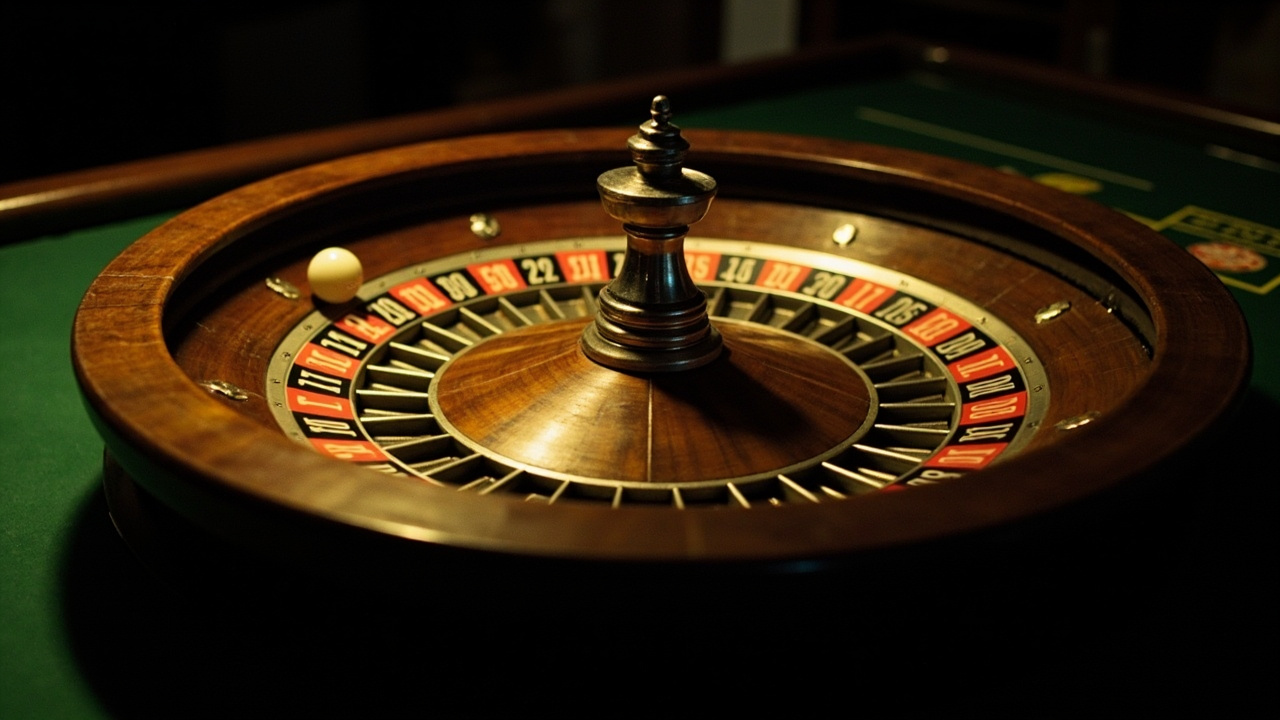
Mini roulette rules usually revolve around a reduced set of pockets, which is the single biggest thing that changes the feel of the game. Fewer numbers mean each spin resolves quicker, the dealer or software cycles through rounds faster, and your chips are in play for a shorter window before the next result lands. That pace can suit someone who wants a brisk session without the slower rhythm of a full-size wheel, but it also means you should not expect the same spacing of outcomes you are used to on a standard table. The game is built around clarity and speed, so the layout tends to keep things simple: straight bets, splits, corners, and the usual outside options, all presented without the clutter of a larger board.
From a usability standpoint, a compact table works best when the interface or the live dealer keeps the action legible. You want the numbers displayed cleanly, the bet areas marked without ambiguity, and the pace steady enough that you can actually read the result before the next round starts. A good table does not rush you into decisions; it just does not drown you in extra pockets or unnecessary complexity. If you are the sort of player who likes to track a short run of results and adjust your stakes accordingly, a tighter wheel can feel practical because the feedback loop is shorter. If you prefer a slower, more deliberate session, the same pace can feel too busy, and that is a legitimate reason to look elsewhere.
The brand side of this matters too, because not every operator presents the same experience around the same rules. Some platforms treat the game as a quick digital product with clean animations and straightforward bet controls; others run it through a live dealer setup where the human element, the table layout, and the camera angle all affect how easy it is to follow the action. When I compare these setups the way I would compare two different mathematical models, I am looking for consistency: does the presentation match the rules, and does the ruleset match the pace the operator is promising. A tidy table with clear markings and a sensible rotation speed is usually the one that holds up better over a real session.
| Feature | What It Means For You |
|---|---|
| Number of pockets | Fewer pockets mean quicker rounds and a different outcome spread |
| Bet types | Straight, split, corner, and outside bets remain the core options |
| Pace of play | Faster rotation suits short, focused sessions |
| Presentation | Clean layout and legible markings make tracking results easier |
| Session fit | Best for players who want a brisk, simple table rather than a slower wheel |
How The Bets And Payouts Work Out
The maths is where mini roulette rules really diverge from the full-size version, and it is the part most players should weigh before they commit chips. A smaller wheel changes the frequency of hits on number-based bets, which in turn changes how a betting pattern feels over time. Outside bets can still offer the familiar even-money structure, but the smaller pool of pockets shifts the underlying probability, so the same stake does not produce the same rhythm of wins and misses you might expect on a broader layout. That is not a flaw; it is just a different distribution, and it is the reason I always tell people to think in terms of expected behaviour over a session rather than the result of one spin.
When you are deciding how to stake, the practical question is whether your preferred approach survives the faster pace. A flat, even-money approach will still produce the same kind of back-and-forth you know from other tables, but the shorter cycle between results can make variance feel more immediate. If you like to spread chips across several numbers, the smaller board can make those bets feel more concentrated, because each pocket represents a larger slice of the total outcome space. That can be useful if you want a tighter betting pattern, but it also means you should be clear about what you are trying to do: are you chasing a specific hit rate, or are you simply playing for a steady session with a defined stop point?
The dealer behaviour on a live table is another detail worth noting, because it removes a layer of ambiguity from the game. The dealer must typically hit on 16 and stand on 17, removing dealer discretion. That may sound like a blackjack rule at first, but the point is the same: when the table removes judgement calls, the action becomes more predictable and easier to follow. For a player, that predictability is useful because it means the table is not introducing extra variables mid-session. You are not guessing whether a dealer will bend a rule or slow the game down with a personal call; you are playing against a fixed process, which is exactly the kind of setup that makes a compact wheel easier to evaluate.
If you want to sanity-check the numbers before you play, it helps to use a modelling mindset rather than a gut feeling. I built Slot Designer to let designers test complex payout behaviour before it ever reaches a player, and the same habit applies here: look at the table as a system, not as a vibe. Count the pockets, note the payouts, and think about how often your chosen bet type is likely to land over a realistic run of spins. That approach is more useful than hoping a particular streak will carry you, and it is a better way to decide whether the table matches the way you want to play.
What To Weigh Before You Play
The first real decision is whether the pace of the table suits the session you have in mind. A compact wheel moves quickly, and that speed can be a bonus if you want a focused arvo session with a clear start and finish. It can also be a drawback if you prefer to sit, observe, and let the game breathe between rounds. The right choice depends on how you handle momentum: some players like the quicker rotation because it keeps them engaged; others find it wears on their concentration sooner than a slower table would. Either reaction is valid, and it is worth being honest about which one describes you before you deposit time or money.

Bankroll management is the next thing to think through, because the smaller layout can make stakes feel different even when the chip values are the same. A bet that looks modest on a full table can represent a more noticeable slice of your session plan on a compact wheel, simply because the outcomes cycle faster and your money is in play more frequently. That does not mean you need to change your whole approach, but it does mean you should set a session limit that accounts for the pace. If you are playing for a fixed window of time, the faster rotation can eat through that window more quickly than you expect, so it pays to decide your exit point before the first spin rather than improvising once the table is live.
You should also weigh how the table fits with the rest of your playing habits. If you already enjoy games where the result lands quickly and the feedback is immediate, a mini wheel can feel natural. If you prefer a slower rhythm or a more deliberate betting pattern, the same game may feel cramped. This is where a practical comparison helps: think about the last few sessions you played well, not the ones you remember fondly in hindsight, and ask whether this table would have supported that same style. The goal is not to find a perfect fit, because no table is perfect; the goal is to find one that does not fight against the way you actually play.
For players in Brisbane and across the country, the practical side matters too. You want a table that is easy to read, easy to join, and easy to leave when your session is done. That sounds basic, but it is often the difference between a game you can stick with and one that feels fiddly after ten minutes. A clean layout, a sensible pace, and a ruleset that does not keep changing underneath you are the kinds of things that make a compact wheel usable in real life, not just in theory. If those pieces are in place, the table is doing its job; if they are not, no amount of marketing spin will make it feel right.
Where The Table Fits In Practice
In everyday use, mini roulette rules tend to work best as a focused, short-form table rather than a slow all-night session. The smaller wheel is built around quicker resolution, and that makes it a reasonable choice when you want a game that gets in, runs cleanly, and does not demand a long stretch of attention. It is less about chasing a big moment and more about playing a compact session with a clear structure. That is why the game often suits players who already think in terms of session length, staking limits, and a defined stop point, rather than players who want an open-ended run with no plan at all.
The live dealer version and the digital version do not always feel the same, even when the rules are identical, and that is worth keeping in mind. A live table brings the human rhythm of the dealer, the physical layout of the chips, and the visual cadence of the wheel itself. A digital version usually trims that down to a cleaner interface and a faster cycle, which can be handy if you want a more self-contained experience. Either way, the core question stays the same: does the presentation help you follow the action, or does it get in the way? When I judge a table the way I would judge a model in Slot Designer, I am looking for the version that makes the rules easiest to read and the outcomes easiest to track without adding noise.
If you are comparing operators, look for the details that affect real play rather than the bits that only sound impressive in a promo. Clear bet areas, a readable wheel, a pace that matches the rules, and a table that does not keep interrupting your flow are the things that actually matter once you are seated. A compact wheel should feel simple to use, not simplified in a way that hides how the game behaves. When the table is honest about its pace and its structure, it becomes a practical option for a session that has a beginning, a middle, and an end.
For anyone weighing up where to start, the useful move is to treat the table as a choice about style and structure, not as a ticket to a particular result. Mini roulette rules are what they are: a smaller wheel, a faster cycle, and a different distribution of outcomes. If that matches the way you want to play, it can be a solid fit. If it does not, there is no point forcing it, and no shame in picking a different table that suits your rhythm better. The game is at its best when it is used for what it is, and that is usually a brisk, focused session with a clear plan behind it.
If you are still sorting out which operators or promo setups you want to compare alongside the table itself, you can check current offers and codes at playcrocobonuscodes.com before you commit to a session. That is the kind of practical step that fits the decision-first approach this game suits best: know the rules, know the pace, and choose the table that matches the session you actually want to play.
Author : cinemamadeofficial@gmail.com
