
Andar Bahar Strategy Tips Built Around Pace, Not Luck
When Australians talk about card games that move quickly, they usually mean something with a clear rhythm and a decision point that arrives in seconds. That is exactly why andar bahar strategy tips matter more here than they might at a slower table. The game does not reward patience in the usual sense; it rewards reading the pace, noticing when the dealer’s sequence is settling, and knowing when to step back. I have spent years building growth plays across Southeast Asia’s luxury and tech scenes, and the same discipline applies: you do not win by chasing every round, you win by choosing the moments that fit your temperament. For Australian adults 18+ looking at this game, the real question is not how to force an edge, but how to play it in a way that feels controlled and repeatable.
A Different Way To Read The Table
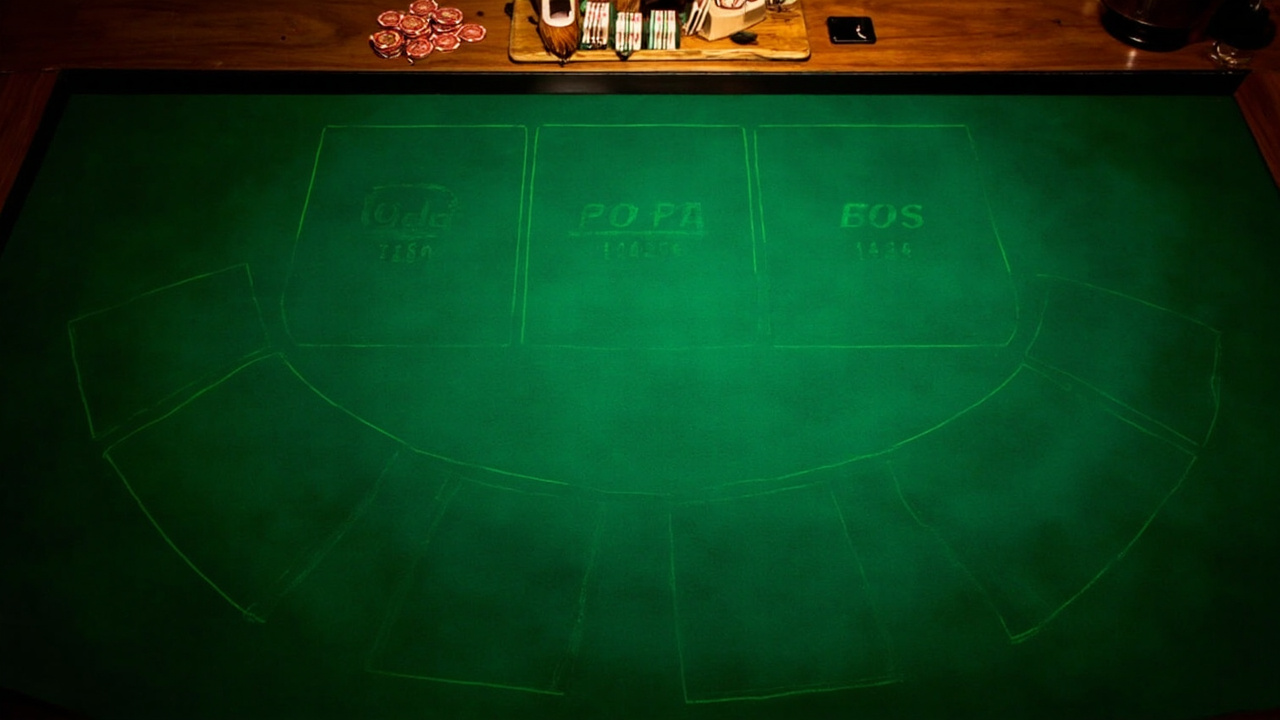
Most players approach andar bahar as if it were a coin toss dressed up in Indian card traditions, but that misses the point entirely. The side that appears first is not a signal to double down; it is a signal to watch how the dealer’s run behaves before you commit again. My work in relationship-led business building has taught me that the strongest operators do not try to outguess every variable – they design a process that survives variance. Applied here, that means treating each deal as a short observation window rather than a binary bet. You are not trying to predict the next card with certainty; you are deciding whether the current tempo suits your bankroll and your patience. That shift in mindset is where andar bahar strategy tips actually begin to separate themselves from generic advice.
The practical side of that reading starts with how you size your attention, not just your stake. A disciplined player watches the first few sequences to sense whether the dealer is running long sides or cycling quickly, then adjusts how often they lean in. I have seen luxury hospitality teams in Bangkok run high-touch tables the same way: they do not push every interaction, they read the room and step forward only when the timing supports it. In card terms, that translates to fewer impulsive calls and more deliberate entries. You are not looking for a miracle pattern; you are looking for a rhythm you can live with over a session. That is the quiet advantage that andar bahar strategy tips tend to surface when they are written by people who have actually managed real tables, not just theoretical odds.
That same measured approach carries over to digital play, where pacing and visual feedback often dictate how long a session stays profitable. You can see how these timing cues translate across different interfaces when you review the breakdowns at https://bookofdeadslotau.com/. Keeping your focus tight and your entry points deliberate ensures the game never outpaces your read.
The game’s providers and table setup matter here too, because a smooth digital deal changes how quickly you can make those calls. A well-built platform keeps the pacing consistent, shows the side clearly, and lets you adjust your stake without breaking your focus. I always advise players to check whether the table feels rushed or measured before they put money in, because a frantic interface will quietly sabotage even sensible habits. The same principle shows up in Canberra’s winter racing crowds, where the social hub is not just about the horses but about how people settle into a shared rhythm over the afternoon. When the environment supports a steady pace, your decisions carry further. When it does not, no amount of theory will rescue a session that is already running ahead of you.
How The Game Actually Behaves Under Pressure
The first thing that separates a thoughtful session from a noisy one is how you handle the early rounds. When the dealer flips the first side, a lot of players feel an immediate urge to match it, but that reflex is exactly what drains a bankroll over time. A better habit is to treat the opening sequence as a sample, not a verdict. You are watching for whether the run is clustering, stretching, or resetting, and you are deciding whether your stake size still makes sense given what you have seen. I have managed growth campaigns where the temptation was always to scale the moment a metric looked green, and the discipline was the same: wait for a second confirming signal before you commit more. In andar bahar, that second signal is simply the next deal behaving in a way that matches your read, not your hope. Roulette Corner Bet Strategy For Australian
The second layer is how you respond when the table starts to feel busy or emotionally charged. Fast-paced card games can pull you into a rhythm that feels exciting but is actually costing you focus, and that is where a short pause does more work than any system. I once sat with a senior operator in Manila who described his best tables as the ones where he could hear the room breathe; when the noise climbed, he tightened his criteria and walked away from marginal calls. You can do the same here by setting a simple rule for yourself, such as stepping back after a set number of consecutive losses or refusing to raise your stake just because the previous round felt close. The goal is not to eliminate variance, because no card game does that, but to keep your decisions tied to a process you can repeat. That is the part of andar bahar strategy tips that survives contact with real play, where the pressure is not theoretical and the session has a clock.
A practical way to keep that pressure in check is to decide, before you start, what kind of outcome would actually feel like a successful session. For some players that means a steady run with small, controlled entries; for others it means observing a few deals, taking notes on the pacing, and leaving before the mood turns. I have built loyalty programs where the recurring value came from repeat engagement rather than one-off spikes, and the same logic applies here: the game is more useful when you treat it as a repeatable habit with boundaries, not as a single dramatic night. When you define what “done” looks like, you stop chasing a feeling and start managing a session. That is the distinction that turns a fast card game into something you can return to without it running your evening.

Matching The Pace To What You Actually Want
The reason andar bahar strategy tips keep coming back is that the game rewards a specific kind of attention, and not every player wants to give it. If you are after a quick social session with a friend or a quiet arvo at a screen, the right approach is to keep your stakes modest and your decisions simple, letting the pace do the work rather than trying to outthink it. If you are more interested in the mechanics of the run itself, then you can spend more time observing how the sides alternate and how the dealer’s sequence feels from one deal to the next. I have always judged a product by whether it fits the person using it, not by whether it promises something universal, and this game is no different. The players who enjoy it most are the ones who accept its speed and design their session around it, instead of importing a slow-table mindset into a fast one.
That fit becomes even more important when you think about what keeps you coming back after the first welcome offer has faded. A platform that only shines at sign-up is a short conversation, because the real test is whether there is a reason to return next week. I look for recurring promos that feel like a natural extension of the game, cashback that softens a rough session without turning it into a rescue, and loyalty or VIP steps that recognise repeat play rather than just big single deposits. Tournaments can add a social edge for players who like a shared rhythm, but they work best when they complement the main table rather than distract from it. The same goes for payments and currencies: if you are playing in Australian dollars and the withdrawal path is clear, you are less likely to feel that friction later. Support should be easy to reach when a table behaves oddly or a deposit stalls, because a smooth mobile experience matters most when something small goes wrong and you need it fixed quickly.
The throughline is that a good session is built from choices you can repeat, not from a single lucky stretch. When you read the table as a pace problem rather than a prediction problem, you give yourself a framework that holds up across different stakes and different moods. That is what makes andar bahar strategy tips useful in practice: they are less about forcing an outcome and more about deciding how you want to show up at the table, what you will watch, and when you will walk away. For Australian adults 18+ who want a card game that moves quickly but still leaves room for judgment, that framing is the difference between a noisy night and a session you can actually learn from.
The strongest approach is simply to treat the game as a fast-reading exercise with boundaries, not as a puzzle that owes you an answer. Watch the early rhythm, keep your stake size aligned with your patience, and let recurring value – repeat promos, cashback, loyalty recognition, and clear support – be the reason you return rather than the hope of one big round. Played that way, the game stays entertaining without demanding that you pretend it is something it is not.

Author : cinemamadeofficial@gmail.com
